
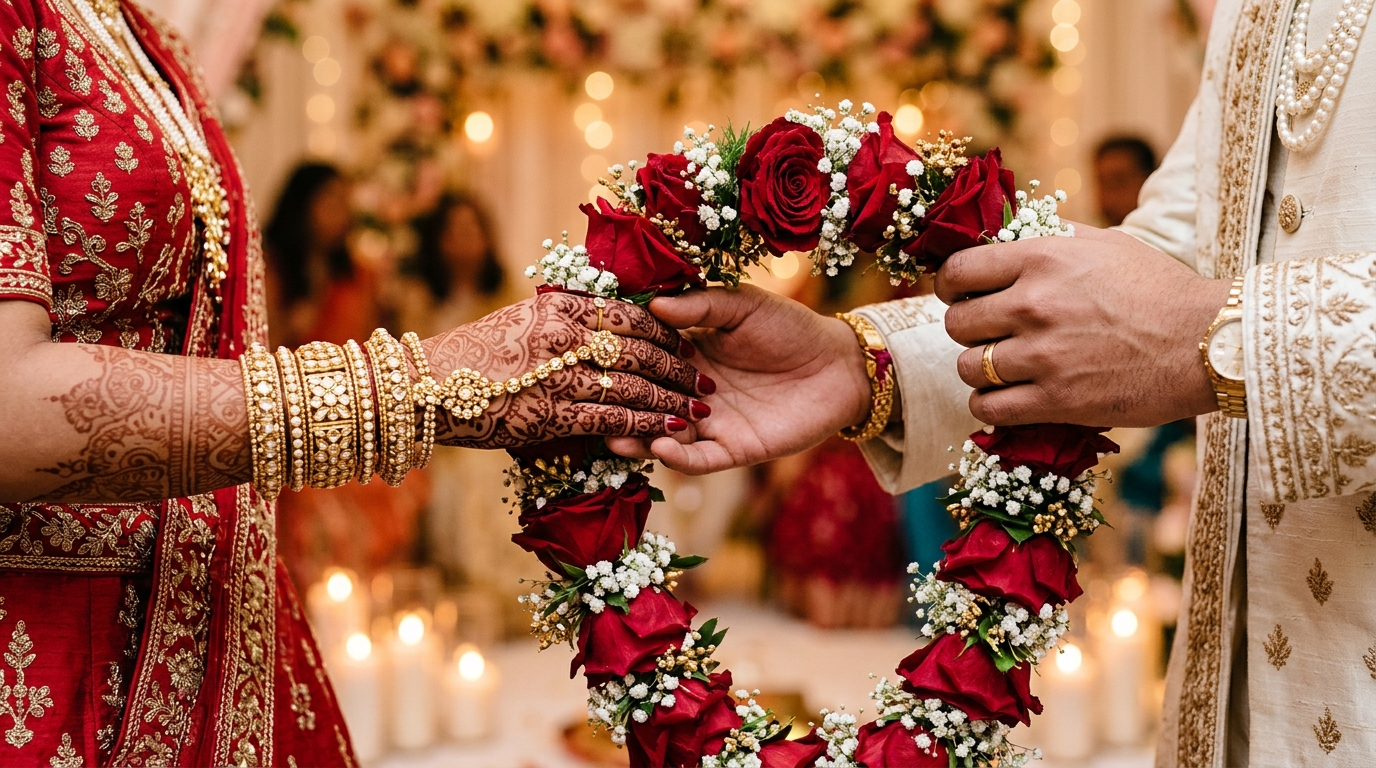
1. Month 12 to 10: Establishing the Vision, Guest Band, and Budget
Planning an Indian celebration requires coordinating multiple multi-day functions including Roka, Mehendi, Sangeet, Haldi, Vows, and Reception. The first critical step is establishing the total celebration budget and separating non-negotiable costs like venues and catering from flexible aesthetics like exotic floral imports.
Use the Factorahub Planning Toolbox to run a simulated budget breakdown across the standard 40% venue/catering, 20% decor, 15% photography, and 10% entertainment ratios.
2. Month 9 to 7: Locking Key Venues and Prime Vendors
Prime dates during the winter wedding season (November to February) book out 8 to 12 months in advance. Secure your main wedding venue, certified caterer, and lead candid cinematography team first.
- Inspect banquet hall pillarless clearance, ceiling heights for trusses, and dedicated bride dressing suites.
- Review real food tastings with verified wedding caterers rather than relying solely on menu brochures.
- Verify photographer backup gear protocols, lead shooter attendance, and RAW archival policies.
3. Month 6 to 4: Outfits, Decor Concepts, and Digital Invitations
Order bridal lehengas and groom sherwanis early to accommodate 6 to 8 weeks of tailoring and embroidery trials. Finalize theme color palettes with your wedding decorator.
Bureau Verification Tools
4. Month 3 to 1: RSVPs, Sound Licenses, and Itineraries
Confirm final guest counts, arrange guest hotel room blocks, and register sound permissions for evening baraats. Set up a Factorahub Live QR Memories Wall so arriving guests can upload moments directly to banquet screens.
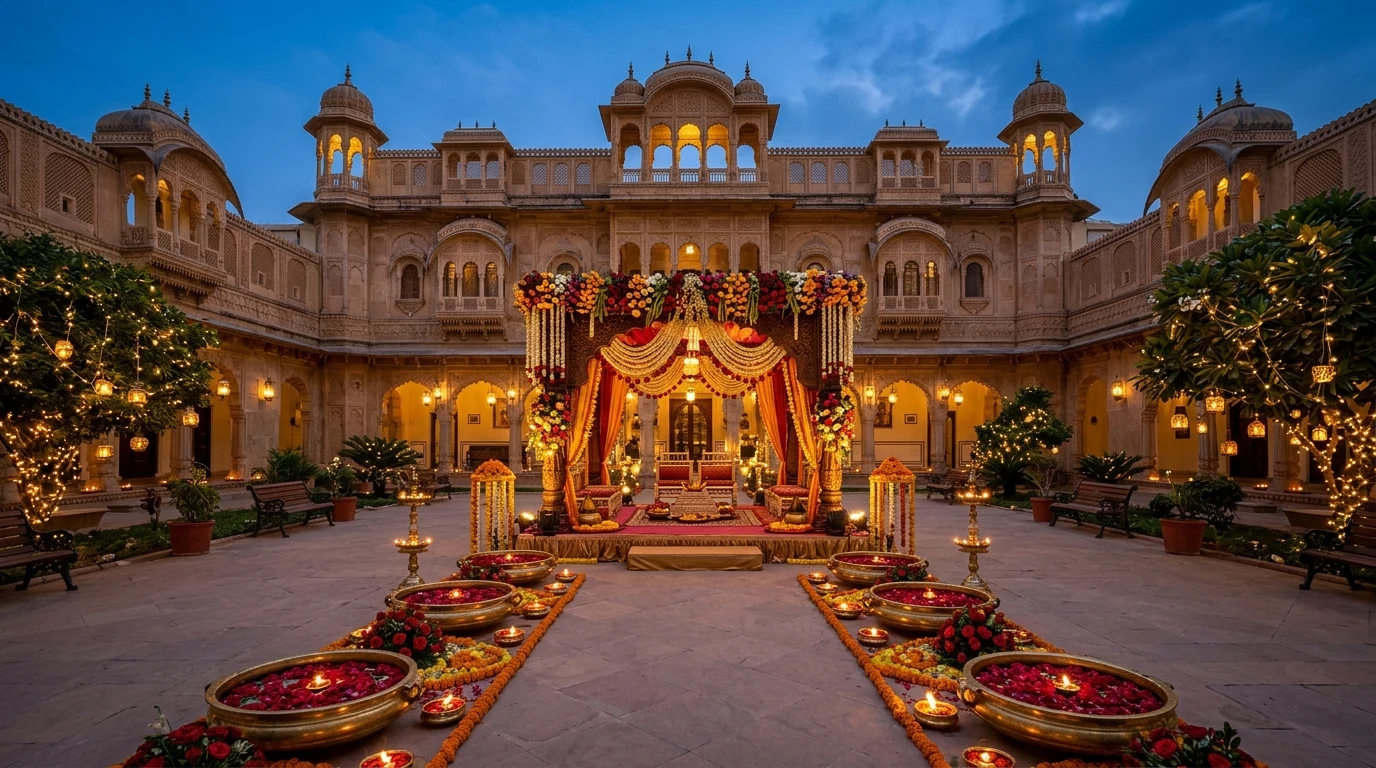
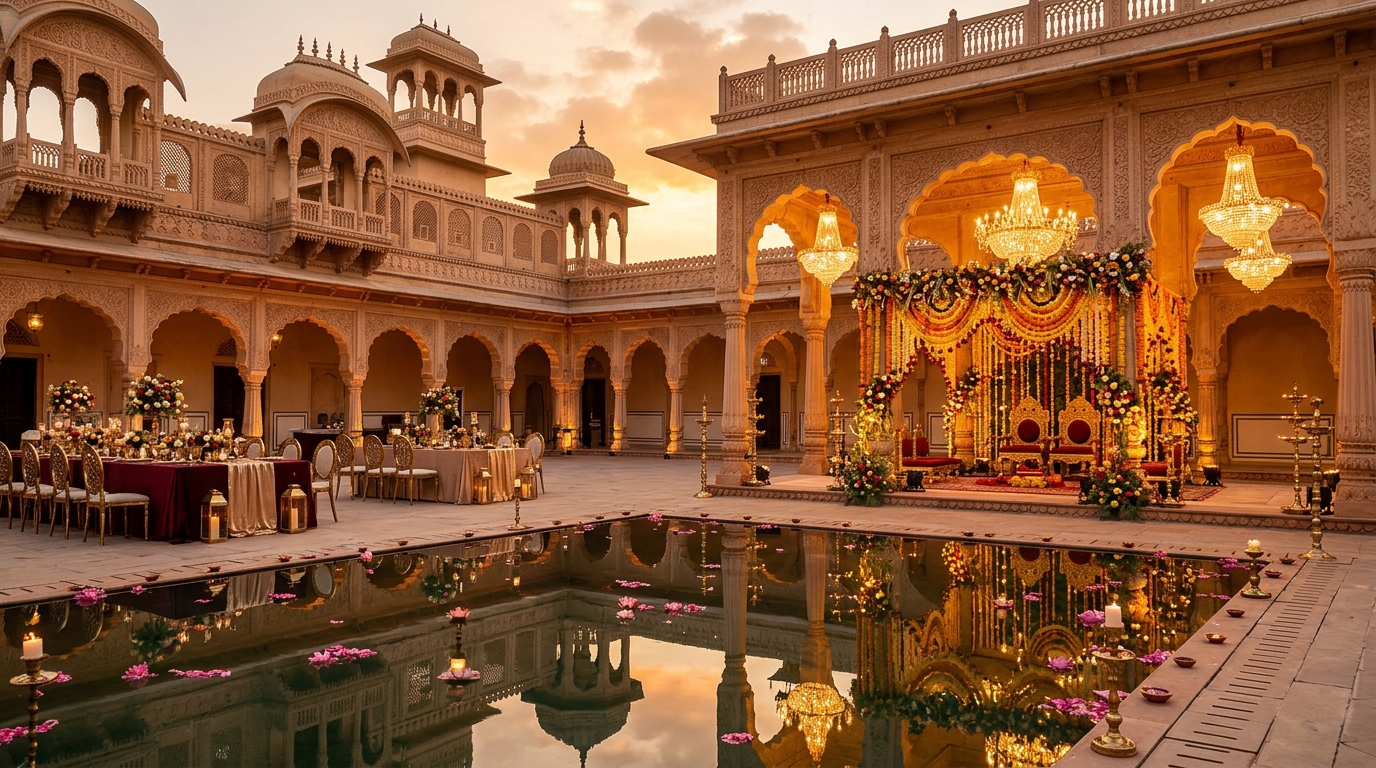
Discussion & Feedback
Join The Discourse
Comments are reviewed for technical quality.